

Blog2 min read
Website or Web App: Which One Does Your Business Actually Need?
A simple way to tell whether your business needs a website, a web app, or both — before you spend money building the wrong thing.
- planning
- guide
A lot of founders come to us asking for "a website" when what they actually need is a web app — or the other way around. Getting this wrong doesn't just waste budget, it can mean rebuilding from scratch six months later.
The core difference
A website presents information. People visit, read, and leave — or fill out a contact form. It's largely the same for every visitor.
A web app does something for each user. It has logins, stores data per account, and changes based on who's using it — a dashboard, a booking system, an ordering platform.
Neither is "better." They solve different problems, and a lot of businesses eventually need both.
Signs a website is enough
- You're mainly explaining what you do and building trust before someone contacts you or buys elsewhere.
- Your "product" is a service delivered offline or through a call, not something used inside the site itself.
- Content changes occasionally (services, pricing, portfolio) but there's no ongoing interaction per user.
- You need something live fast and don't yet know if the business model will need more.
If this is you, a well-built website with clear calls to action will outperform an over-engineered web app you don't need yet.
Signs you need a web app
- Customers need to log in and see something specific to them — their orders, their bookings, their data.
- There's a repeatable workflow happening on the site itself: booking, checkout, submitting requests, tracking status.
- You need to manage users, roles, or permissions (customers vs. staff vs. admin).
- The value you're selling is the tool itself, not just information about it.
The middle ground: a website with app-like features
Plenty of businesses don't need a full web app — they need a website with one specific interactive piece bolted on: a booking form that checks real availability, a simple client portal, an order form that talks to inventory. This is often the cheapest way to get 80% of the benefit of a web app without the cost of building one from scratch.
A practical way to decide
Ask: "If a customer needs to do the same thing every time — see their own data, repeat a transaction, track a status — that's a web app problem. If they mostly need to learn something and take one action (call, message, buy once), that's a website problem."
If you're not sure which category your idea falls into, message us on WhatsApp and describe what you're trying to build — we'll tell you straight which one actually fits, even if it means recommending the cheaper option.
I need help with my project.
Tell me briefly, and I'll reply on WhatsApp with an honest estimate.
Can I see some examples?
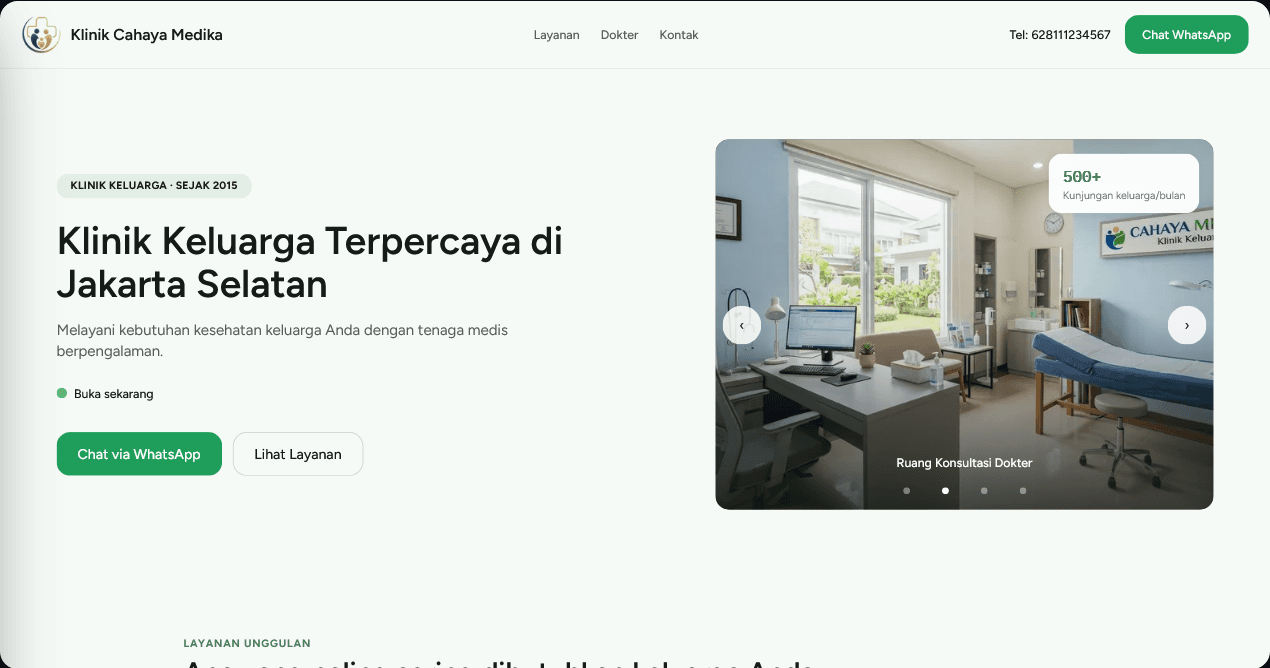
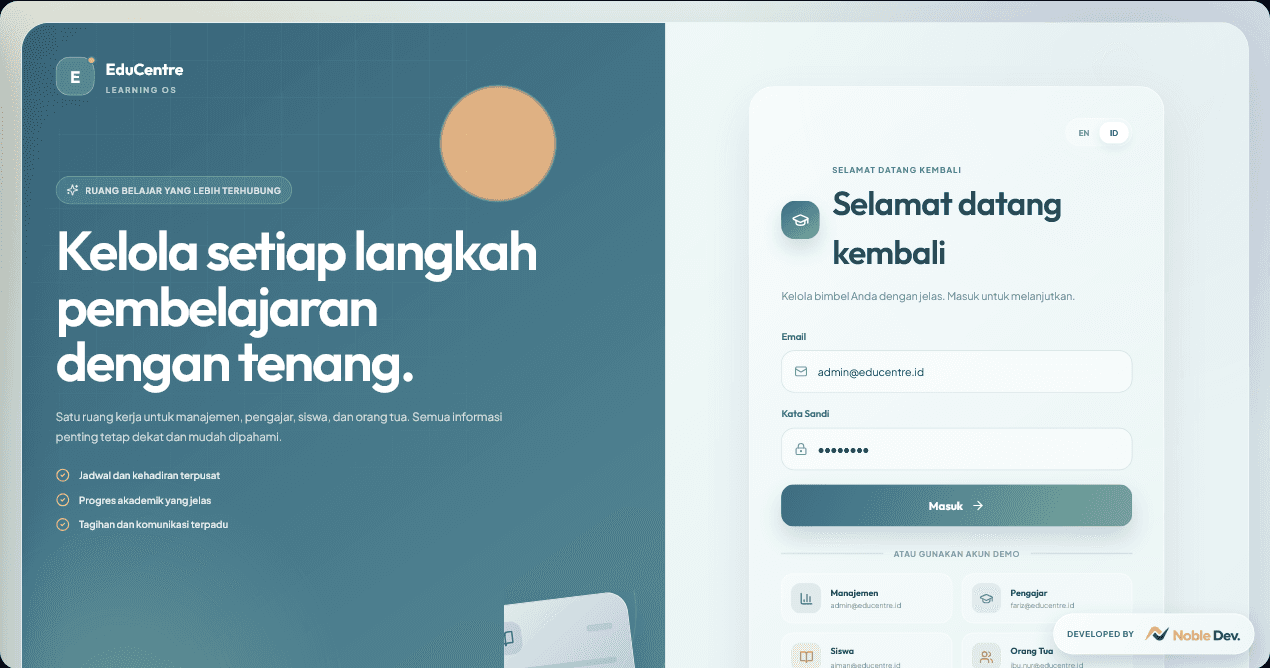
Two projects you can try right now.
Anything else to read?